
Music for Dance by Joan Tower, ‘Closet Choreographer’
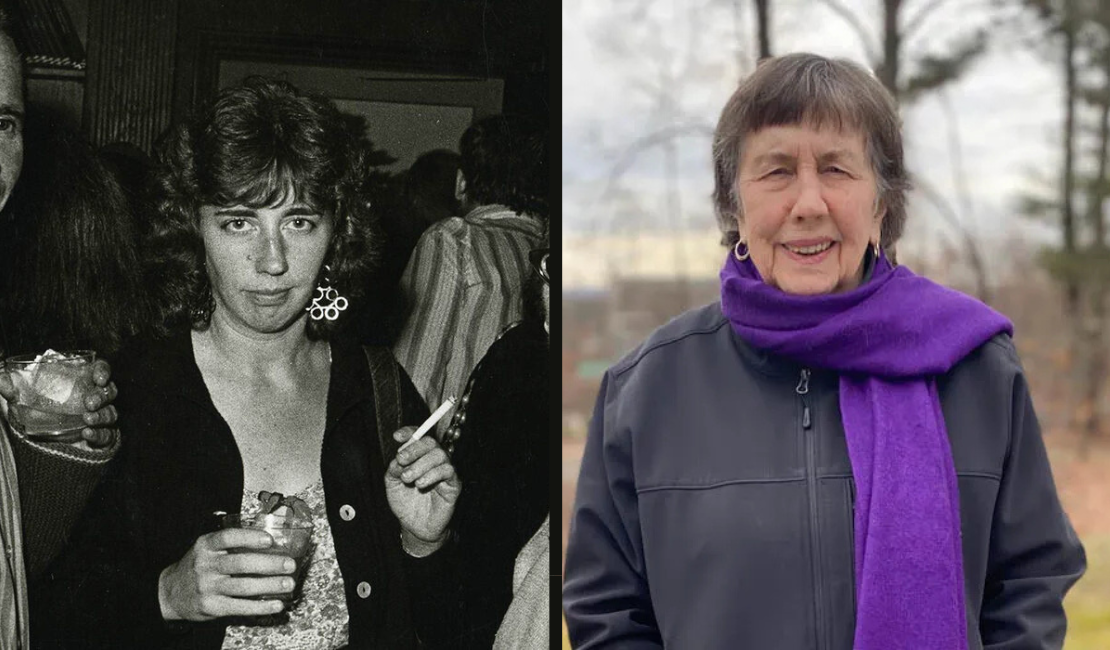
I’ve always thought of myself as a closet choreographer. Texture, space, speed, direction, all the words that apply to dance also apply to music. — Joan Tower
From pulsating percussion to shimmering strings, the music of Joan Tower compels the human body. Through textural and rhythmic vitality, she conjures awesome images and delicate interiority alike.
Recently celebrating her 88th birthday, she stands as one of America’s most celebrated living composers. Her music’s physicality — its pulse, momentum, and sculptural use of orchestral color — makes it especially compelling for dance. From modern abstract ballet to narrative or character-driven works, her compositions offer both dramatic arcs and the flexibility to shape choreography in real time.
Here are five orchestral works that showcase Tower’s potential as a composer for dance, each offering their own distinct energy and character:
Approx. 15 minutes
Tower’s childhood exposure to Latin rhythms emerges in this relentless, propulsive score, titled after the Spanish word from “drum.” Its vivid rhythmic drive and shimmering orchestral colors make it ideal for dynamic, percussive choreography — dancers’ steps echoing drumbeats, translating sound directly into movement.
Approx. 15 minutes
Commissioned by the New York Philharmonic to celebrate 100 years of women’s suffrage, this contemporary single-movement orchestral work juxtaposes moments of tension, introspection, and resolution. Its modern harmonic language and rhythmic fluidity suit abstract choreography or works exploring time, memory, or identity. With sections that build and collapse, the music encourages choreography that balances discipline with spontaneity. A percussion section feature in the middle of the score offers a stark contrast to the fullness of Tower’s orchestration.
Approx. 18 minutes
“The sound of the viola has always reminded me of the color purple—a deep kind of luscious purple,” notes the composer. Purple Rhapsody centers around a singing viola line that can carry an emotional narrative. It particularly suits solos or duets that explore tension, longing, and transformation. The dialogue between the viola and orchestra can inspire movement that mirrors musical interplay, offering layers of intimacy and grandeur.
Approx. 17 minutes
Written for bassoon and string orchestra, Red Maple pairs Joan Tower’s signature rhythmic vitality with an unusually warm and expressive sound world. The bassoon moves fluidly between earthy lyricism, playful agility, and deeply introspective passages, while the strings create a constantly shifting emotional landscape beneath it. Tower’s continuous, movement-free structure gives the work a cinematic sense of momentum, unfolding in waves of tension and release, with lovely cadenzas for the bassoon throughout.
Approx. 14 minutes
Originally conceived around the theme of America, the Beautiful, this piece alternates between tender, intimate gestures and bold, sweeping orchestral statements. Its single-movement form and evolving textures provide choreographers a canvas for lyrical duets, ensemble passages, or transitions from introspective to exuberant movement. The piece’s blend of nostalgia and vitality allows dancers to inhabit both personal and communal expression.
More About Joan
Born 1938 in New Rochelle, Tower spent part of her youth in Bolivia, where she was captivated by the vibrant rhythms of Latin American music. That early exposure to percussion, along with rigorous training in piano and composition, laid the foundation for her singular voice.
Tower studied at Bennington College and Columbia University, later co-founding the Da Capo Chamber Players. She initially composed for smaller ensembles but quickly expanded her reach to orchestral works, where she found a larger canvas to explore texture, rhythm, and energy. In 1972, she began teaching at Bard College, where she currently holds the title of Asher Edelman Professor of Music.
Tower’s scores have inspired productions and collaborations for companies including New York City Ballet, San Francisco Ballet, Kansas Ballet, and Pascal Rioult Dance Theater. Her ballet score Stepping Stones was commissioned by choreographer Kathryn Posin for the Milwaukee Ballet and revived for Bulgarian Ballet in 2011.