
Ready for My Close Up – Music for Dance by Franz Waxman
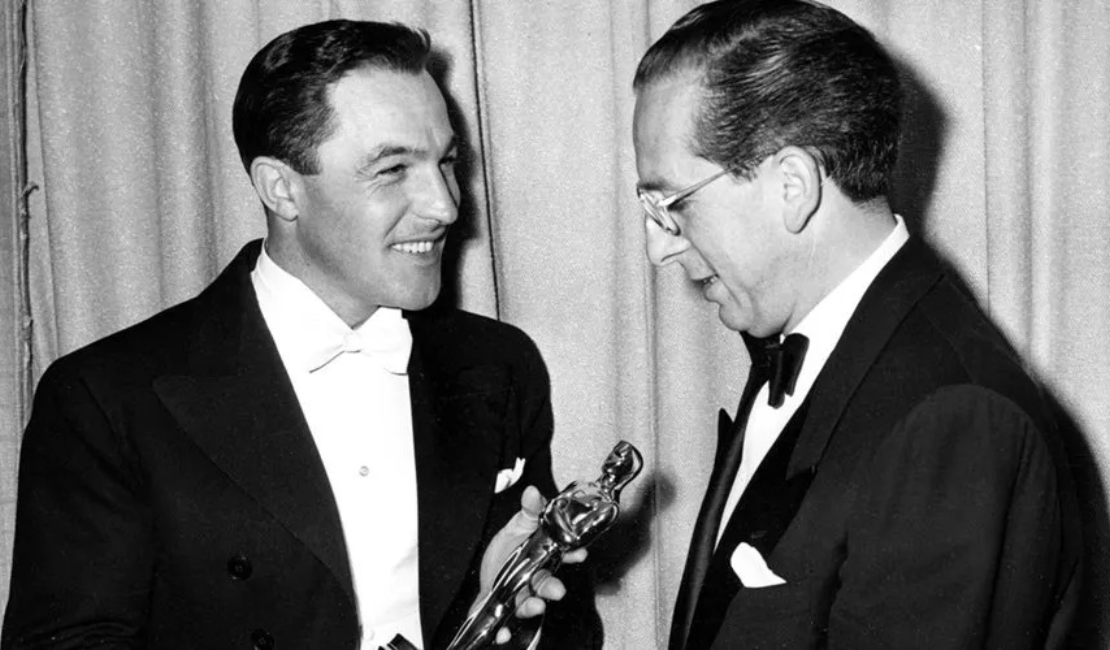
Franz Waxman is best known as one of Golden Age Hollywood's most prolific and celebrated composers. With over 150 film credits to his name, Waxman shaped the sound of twentieth-century cinema, winning two consecutive Academy Awards for his scores to Sunset Boulevard and A Place in the Sun. Born in present-day Poland, and trained in Dresden and Berlin, Waxman fled the rising tide of fascism in the 1930s. Arriving in America, his dramatic instincts, orchestral mastery, and bittersweet lyricism found fertile ground in the movies and the concert hall. His catalogue reveals an array of ballet-ready pieces: compact in duration, varied in mood, and richly expressive.
Sinfonietta (for timpani and strings) (1955) - 12 minutes
Waxman wrote his Sinfonietta in 1955, reportedly at sea while crossing the Atlantic en route from New York to Europe. With three contrasting movements (Allegro, Lento, Scherzo), Sinfonietta provides natural terrain for choreography: rhythmic drive, lyrical introspection, and playful, sprightly motion. Its structure — tension, release, and spritely conclusion — is ideal for a one-act ballet.
Carmen Fantasie (for violin and orchestra) (1947) - 10 minutes
Originally written for legendary violinist Jascha Heifetz, Carmen Fantasie is Waxman’s most performed concert work. Inspired by themes from Bizet’s opera yet transformed through Waxman’s own cinematic sensibility, the piece is a whirlwind of virtuosity, lyricism, and high-voltage drama.
For choreographers, its pacing is irresistible: sultry, suspended phrases bloom into quicksilver runs; rhythmic fire gives way to sweeping melodic lines. Carmen Fantasie invites bold, extroverted movement — turns, flicks, sudden expansions — and equally supports narrative and abstract choreography. It is a perfect choice for dancers who thrive on technical command and expressive clarity.
Tristan and Isolde: Fantasie (for violin and orchestra) (1947) - 10 minutes
Originally part of the score to the Joan Crawford picture Humouresque, Tristan Fantasie was later adapted into a concert work at the request of Jascha Heifetz. Waxman here draws from Wagner’s most beloved opera with an intimate understanding of musical drama. The piece condenses the vast emotional terrain of Wagner’s opera into a tight, arching structure that unfolds like a miniature love tragedy. For dance makers, its expressive range—from hushed longing to full-throated passion—offers space for deep emotional storytelling and works exquisitely for a lush pas de deux.
Goyana: Four Sketches (1960) - 12 minutes
Goyana draws inspiration from the dramatic chiaroscuro of Francisco Goya’s paintings. Each movement stands as a vivid vignette, all ripe for character-driven choreography. With its mixture of lyrical writing, sudden percussive accents, and shifting textures between piano and ensemble, Goyana invites choreographers to explore contrast — between shadow and light, fluidity and fragmentation, realism and gesture. Each sketch can be treated as a distinct micro-scene or woven into a larger narrative.
Sunset Boulevard: A Sonata for Orchestra (1950) - 14 minutes
Waxman’s Oscar-winning film score is here made into a compact orchestral narrative. Each section brims with character, from languid, seductive tangos to jazzy, restless motifs. With sweeping strings, vibrant percussion, and shifting orchestral colors, the piece invites choreographers to play with contrasts: glamor and decay, tension and release, obsession and longing.
For more information, please contact Andrew Stein-Zeller.